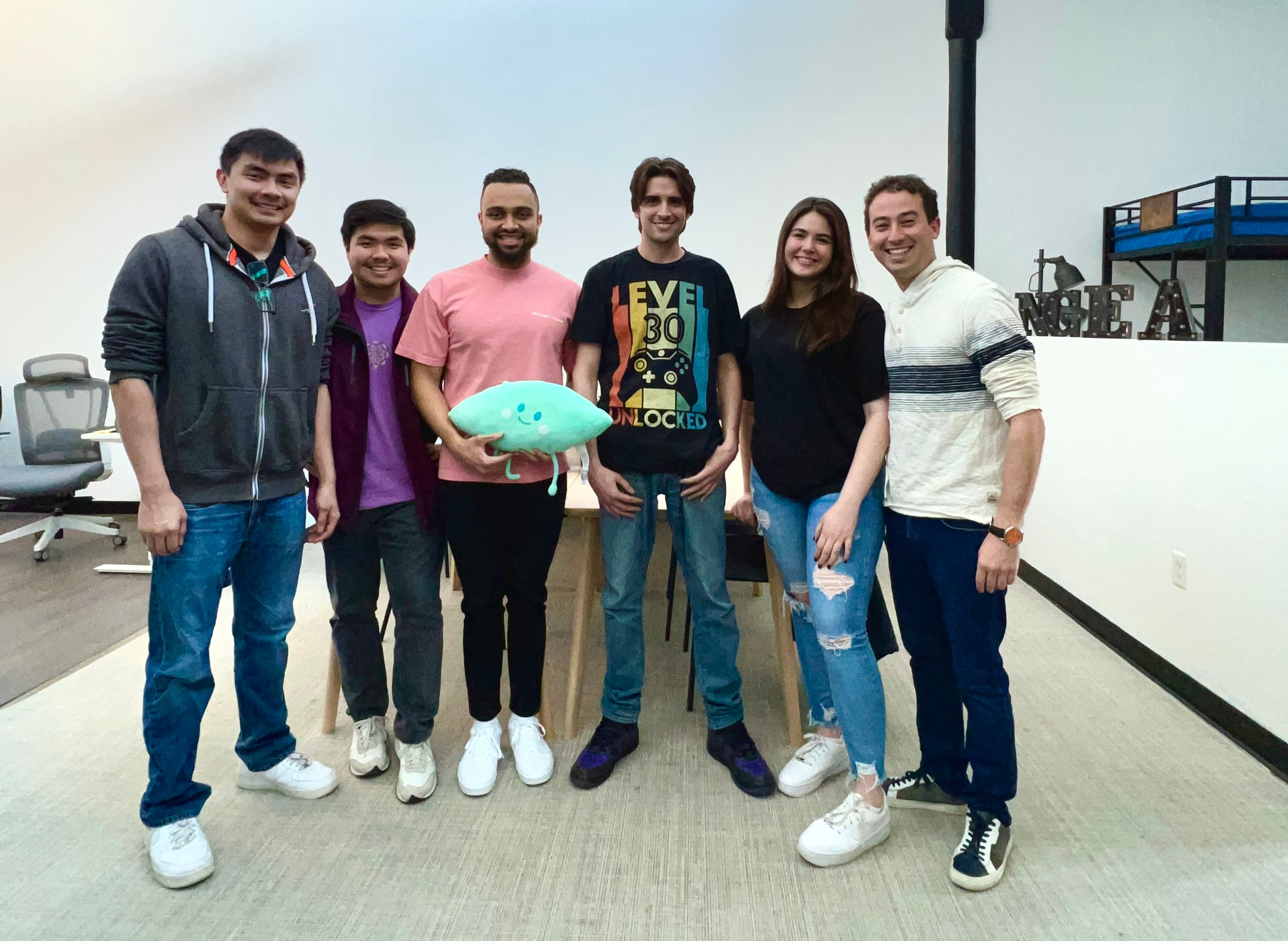
Getting into YC (W21)
We applied to YC twice. The first time, we got an interview but didn't get in. We were seeing rapid growth on the supply side — when the pandemic hit, we went from being at a handful of Rhode Island schools to over 1,800 colleges across the US almost overnight. But we couldn't tell a convincing story on the demand side. So we got to work, and reapplied six months later. W21 was one of the remote batches, so we did the whole thing from Rhode Island. But it was still one of the most exciting moments for the team.
What changed during the batch
YC taught us better discipline around speed. The entire batch is structured around one question: what can you accomplish between now and Demo Day? They have you pick a single KPI and try to grow it week over week. That forcing function was exactly what we needed — it compressed our decision-making and cut out a lot of the noise.
How YC shaped Pangea
By Demo Day, we'd raised $3.3 million in total funding and were able to run at things much more aggressively. But the lasting value of YC wasn't the money — it was the network. The relationships from YC have compounded in ways I couldn't have predicted, and they've shaped not just Pangea but everything I've built since.
Principles I kept, advice I ignored
YC gives you an enormous amount of advice, but it takes time for the lessons to actually internalize. People can tell you things all day — you still have to come to your own conclusions and figure out how to apply them in your specific context. We leaned into being a product-led, self-serve platform because we thought we needed volume. In hindsight, being more sales-led, more consultative, more curated would have served us better. Sometimes the faster path to something huge is building a viable business first, and then scaling from a position of strength.